Carpets can do a lot for your home. It adds warmth, comfort, insulation—and when it’s in good condition, it pulls a room together. But over time, even the best carpet starts to wear down. Whether from foot traffic, spills, sun exposure, or pets, your flooring won’t last forever.
So how do you know when it’s time to replace your carpet rather than repair it again? That’s a question many Auckland homeowners ask, and in this guide, we’ll walk you through the key signs to watch for plus some honest advice on when repairs might still do the trick.
1. The Carpet Is Visibly Worn or Frayed
One of the most obvious signs that your carpet is ready to be replaced is wear and tear you can see. Look for:
- Bald patches where fibres are missing
- Frayed or unravelled edges
- Threadbare spots in walkways or doorways
- Flattened areas that no longer fluff up, even after vacuuming
If your carpet is so worn that you’re constantly rearranging furniture to cover it up, replacement is likely the better long-term solution.
2. It Still Looks Dirty After Cleaning
Professional cleaning can work wonders—but if your carpet still looks dull or stained even after a deep clean, it might be time to let go. Some stains, especially older or chemical ones, can permanently discolour carpet fibres.
The same goes for odours. If your carpet still smells musty or unpleasant after cleaning, the smell may be trapped in the underlay or subfloor. This is particularly common in homes with pets or past water damage.
3. The Padding Underneath Is Compromised
Carpet padding (or underlay) plays a big role in how your carpet feels and functions. When it wears out, your flooring might feel:
- Uneven or sunken in areas
- Crunchy or noisy when stepped on
- Less insulated against sound or temperature
Unfortunately, underlay degradation can’t be fixed without lifting the carpet—and if you’re doing that, it may be more cost-effective to install new carpet altogether.
4. There’s Extensive Water or Mould Damage
Flooding or water damage can wreak havoc on carpet. Even a slow leak over time can lead to:
- Mould or mildew growth
- Permanent discolouration
- A musty smell that lingers even after cleaning
In some cases, a professional restoration service can salvage your carpet. But if the water damage has affected the underlay or led to mould, replacement is almost always the safest and most hygienic option.
5. It’s Older Than 10–15 Years
The average lifespan of carpet in a residential home is around 10 to 15 years. Of course, that depends on the quality of the carpet, how much foot traffic it sees, and how well it’s maintained. But once you hit that 10-year mark, signs of age start to show:
- Loss of texture and resilience
- Fading from UV exposure
- Stiffness or brittleness in the backing
If your carpet is over a decade old and showing multiple signs from this list, it’s probably time to consider an upgrade.
6. You’re Planning a Renovation or Selling
Even if your carpet is still functional, it might not fit your updated space. If you’re doing a home renovation or preparing to sell, new carpet can:
- Improve first impressions
- Increase resale value
- Better match new paint or furniture
Old carpet with visible wear or stains can make your home feel dated or poorly maintained—whereas fresh carpet instantly lifts the feel of a room.
When Carpet Repairs Might Be Enough
It’s not always a case of all-or-nothing. In many situations, carpet repairs can breathe new life into flooring that’s otherwise in decent shape. For example:
- Small burn marks or stains can be fixed with a patch from spare carpet
- Loose seams can be re-joined
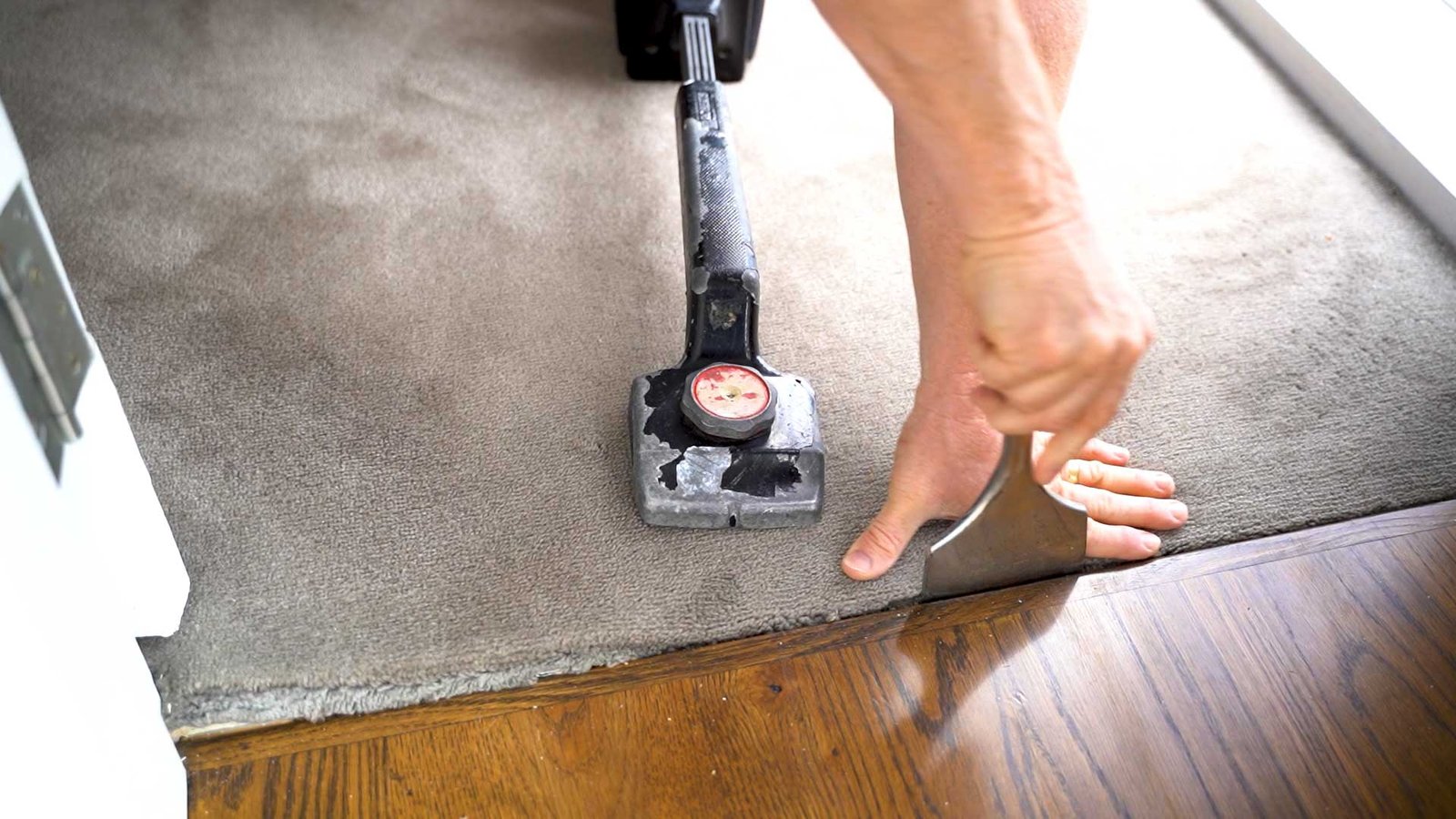
- Ripples or buckling can be resolved through re-stretching
At Carpet Surgeon, we’ll always assess whether a quality repair is a smarter and more affordable option before recommending a full replacement.
We offer a range of carpet services like carpet replacement for high-wear areas or full re-laying where necessary.
What to Consider When Replacing Carpet
If replacement is the best option, it’s a good time to consider:
- Durability – Look for stain-resistant, hard-wearing fibres for busy homes
- Style – Neutral tones and subtle textures suit most interiors
- Comfort – Thicker pile is softer underfoot, while low-pile is easier to clean
- Underlay quality – Don’t skimp here—it improves comfort and lifespan
A professional installer will help ensure your new carpet is fitted properly, stretched correctly, and paired with the right underlay for your space.
Final Thoughts
If you’re constantly questioning whether your carpet can handle another year, it’s probably time to take a closer look. Age, stains, fraying, and fading are all normal over time—but when they start to affect comfort, hygiene, or the look of your space, replacement may be the better long-term decision.
At Carpet Surgeon, we’re not about pushing replacements you don’t need. Our job is to help you make the right call for your home and budget. If there’s a fix, we’ll do it. If it’s time for a change, we’ll guide you through the process from start to finish.
Not sure whether your carpet needs to be repaired or replaced? Book a no-pressure assessment with our experienced team. We’re here to help you make the best decision for your flooring—and your peace of mind.