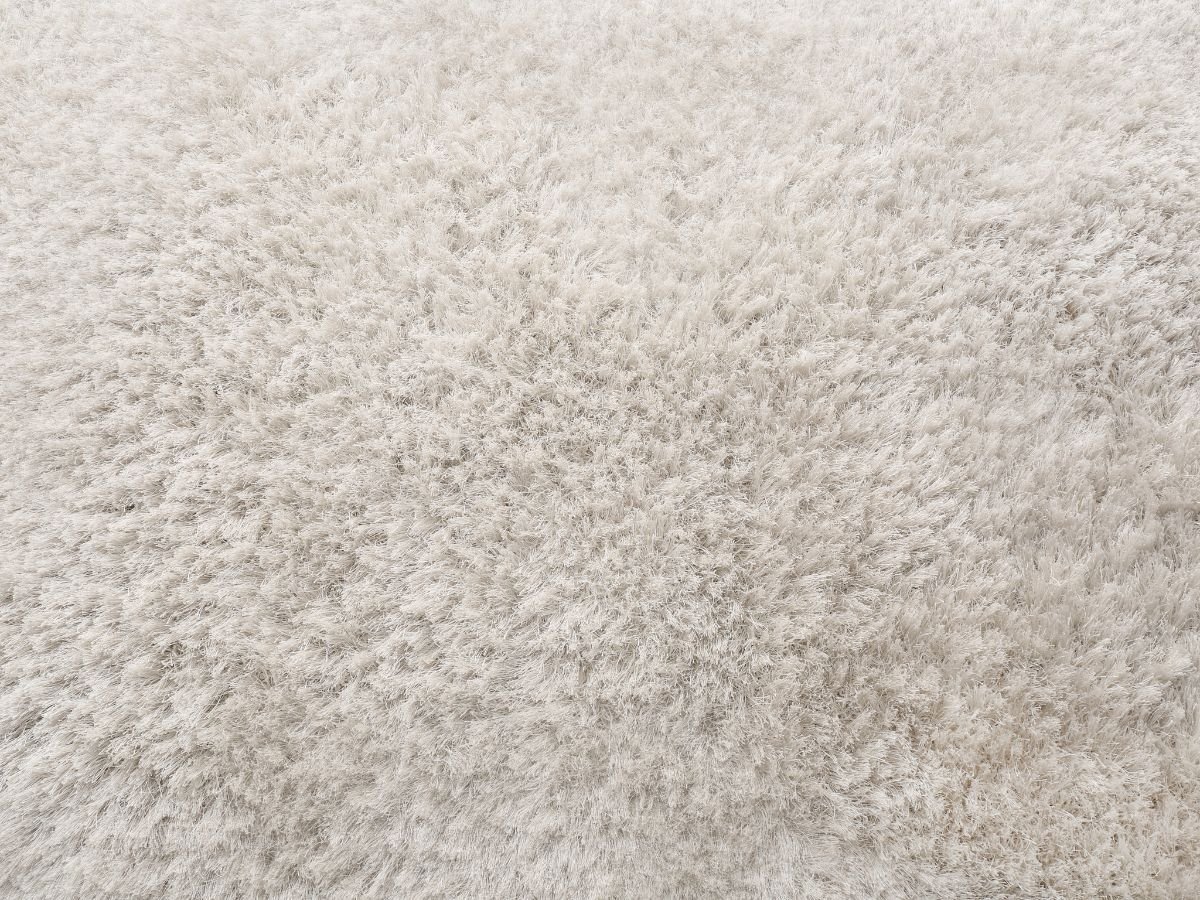
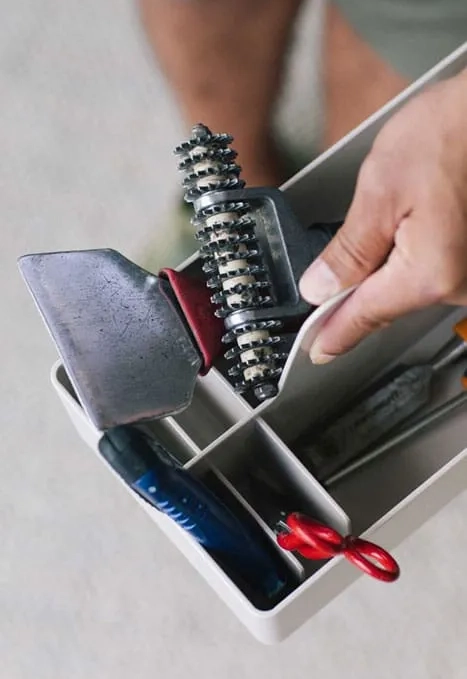
The carpet is one of the most noticeable — and heavily used — features in any rental property. Whether you’re a landlord preparing for a new tenant or a tenant trying to keep your bond intact, carpet care matters. A well-maintained carpet not only boosts the appeal of a home but also avoids costly replacements or repair disputes.
So how do you keep rental property carpets looking their best for longer?
This guide covers everything landlords and tenants in Auckland need to know about protecting carpet from wear, stains, and unnecessary damage — including cleaning tips, preventative care, and what to do when problems arise.
Why Carpet Care Is So Important in Rentals
Carpet naturally shows signs of age and traffic over time. But in rentals, that wear and tear can be accelerated by:
- Frequent tenant turnover
- Furniture movement
- Spills from kids or pets
- Delayed or inconsistent cleaning
Unlike in an owner-occupied home, carpets in rentals are subjected to varying cleaning habits and levels of care. This makes preventative maintenance essential — for both landlords who want to protect their investment and tenants aiming to avoid end-of-tenancy issues.
Tips for Tenants: Keeping the Carpet Clean During Your Stay
1. Vacuum Weekly (More Often with Pets or Kids)
Regular vacuuming helps remove dirt and debris before it settles into carpet fibres. In high-traffic areas like lounges and hallways, vacuuming two to three times a week can significantly reduce long-term wear.
2. Treat Spills Immediately
If you spill something — wine, coffee, food, or pet mess — clean it up as soon as possible. Blot the area with paper towels (don’t rub), then use a gentle carpet cleaner suited to your carpet type.
Pro tip: Always test cleaning products on a hidden patch first.
3. Use Rugs and Mats Strategically
Place rugs or runners in high-traffic zones like hallways or under dining tables. This adds a layer of protection to the carpet beneath while helping maintain a cleaner appearance.
4. Avoid DIY Steam Cleaning at the End of a Tenancy
It might seem like a good idea to rent a cheap machine, but over-wetting can cause musty odours or leave detergent residues. If a deep clean is needed, it’s worth hiring a professional carpet cleaner who can do it right.
Tips for Landlords: Protecting Carpet Between and During Tenancies
1. Invest in Durable, Stain-Resistant Carpet
If you’re going for a carpet replacement, opt for options that are:
- Solution-dyed nylon or polyester (easy to clean and fade-resistant)
- Mid-tone in colour to disguise dirt
- With a good underlay to improve longevity and comfort
2. Include Carpet Care Guidelines in Your Tenancy Agreement
Many tenants simply don’t know what’s expected. Add a clear clause that outlines:
- Regular vacuuming frequency
- How to handle spills
- Whether professional cleaning is required at the end of the lease
This sets expectations and provides a clear reference point in case of damage.
3. Schedule a Professional Clean Between Tenants
Even if the outgoing tenant cleaned the carpet, a professional carpet cleaning service will remove deeper residue and allergens. This sets a fresh baseline for the new tenancy and helps prevent the build-up of grime over multiple leases.
4. Inspect Carpets During Routine Property Checks
Don’t wait until a tenant moves out to discover damage. During scheduled inspections, check for:
- Frayed seams
- Burn marks
- Stains
- Pet damage
- Unusual odours
If caught early, many of these issues can be fixed quickly with carpet repairs — before they get worse.
Common Causes of Carpet Damage in Rentals (And How to Prevent Them)
Issue | Prevention or Solution |
Pet urine or odours | Require pet approval in your lease; prompt cleaning; enzyme-based cleaners |
Furniture dents | Use furniture coasters or move items occasionally |
Iron burns | Never iron clothes directly on carpet; use a board |
Traffic wear | Rugs in walkways; professional cleaning every 6–12 months |
Loose edges or ripples | Have the carpet re-stretched or relaid if needed |
When Should Carpet Be Repaired or Replaced?
Sometimes damage can’t be cleaned away — but that doesn’t always mean full replacement is needed.
Carpet repairs can address:
- Burn marks (e.g., from hair straighteners or candles)
- Tears or rips from furniture
- Permanent stains
- Fraying seams or joins
However, there are cases when carpet replacement is the more cost-effective long-term option, especially if:
- The carpet is over 10–15 years old
- There’s extensive damage in multiple areas
- The underlay is degraded or mouldy
Our team at Carpet Surgeon can help assess the condition of your rental property carpet and recommend the most suitable course of action.
Final Thoughts: Protecting Your Carpet Investment
Whether you’re a landlord managing multiple properties or a tenant doing your best to keep things tidy, proper carpet care is key to preserving a clean, comfortable home.
With a combination of regular maintenance, prompt spot treatment, and periodic professional cleaning, you can significantly extend the life of your carpets — and avoid disputes or large costs down the track.
If your rental carpet needs attention, get in touch with the team at Carpet Surgeon. We offer expert carpet repairs, replacements, and maintenance across Auckland — helping both landlords and tenants get the most from every square metre.