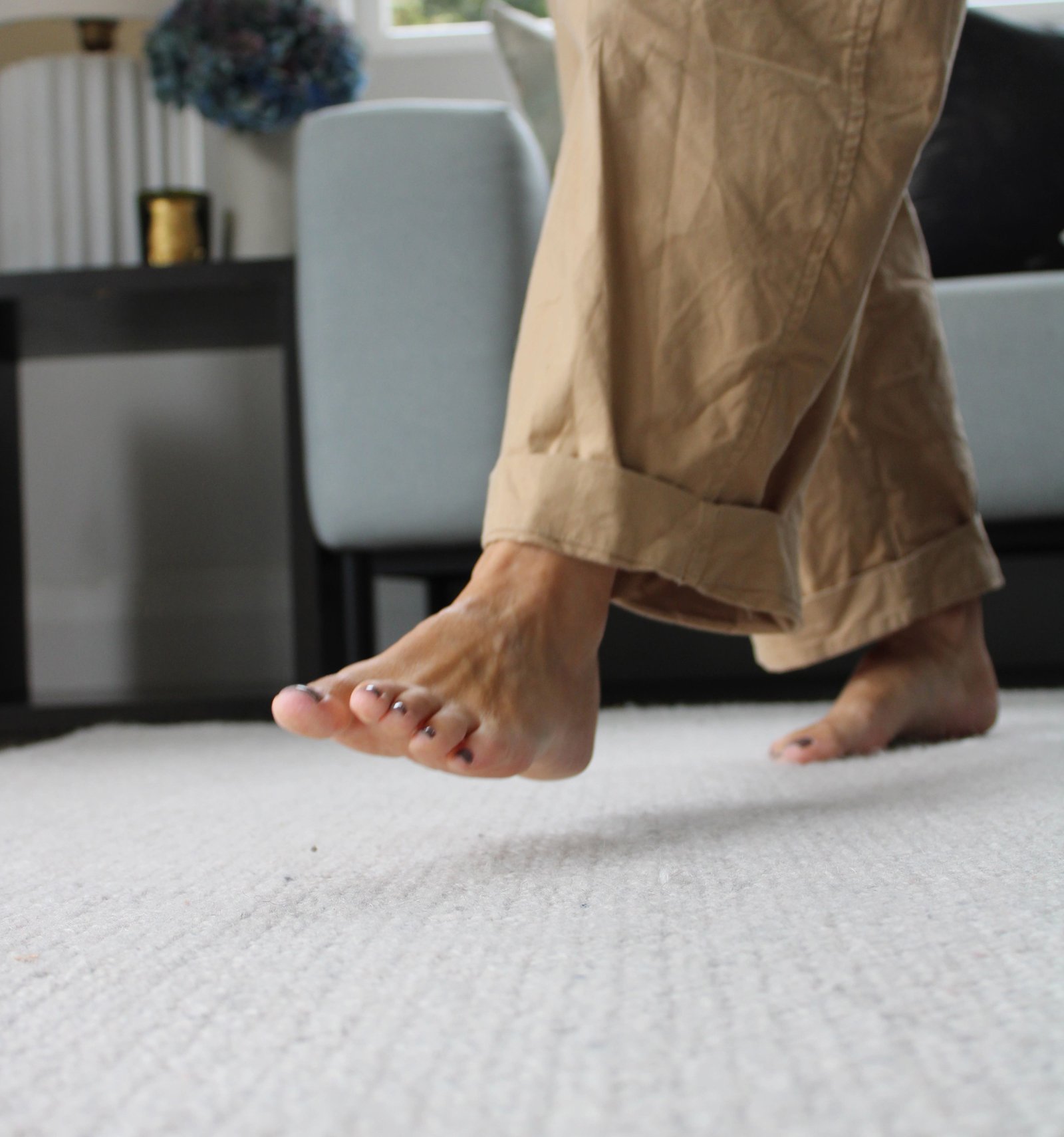
Carpet in a school or early childhood centre works harder than almost anywhere else. It’s where kids sit, crawl, eat morning tea, and spend a surprising amount of their day at floor level. That makes carpet hygiene a genuine health consideration, not just a tidiness issue, and it’s why schools and ECE centres need a different approach to cleaning than a typical office or home.
Here’s what centre managers, principals, and facilities staff need to know about keeping carpets safe, healthy, and properly maintained.
Why Health and Allergy Outcomes Start at Floor Level
Young children spend far more time in direct contact with carpet than adults do. Babies and toddlers crawl across it, older kids sit on it for mat time, and snacks inevitably end up dropped, smeared, or trodden into the pile. Over time, this builds up a mix of food residue, dust, and moisture that creates ideal conditions for bacteria and allergens to thrive.
For centres with children who have asthma, eczema, or other allergy sensitivities (and most centres will have at least a few), carpet condition can directly affect how comfortable and healthy those children feel day to day. Dust mites, in particular, are one of the most common triggers for childhood allergies and asthma flare-ups, and they live and multiply in exactly the kind of soft furnishings found in classrooms and play areas.
This is why hospital-grade sanitisation matters so much more in an educational setting than in many other commercial environments. It isn’t just about appearances, it’s about giving kids a genuinely cleaner surface to play, crawl, and sit on.
What’s Actually Living in Classroom and Centre Carpets
It helps to understand exactly what builds up in carpet over time, because it explains why a quick vacuum simply isn’t enough:
- Dust mites, which feed on shed skin cells and thrive in warm, slightly humid conditions, exactly what a well-used classroom carpet provides
- Bacteria, introduced through spilled food, bodily fluids (a reality of working with young children), and general foot traffic
- Allergens, including pollen and pet dander tracked in from outside, which settle deep into carpet fibres
- Mould spores, particularly in centres with poor ventilation or carpets that haven’t dried properly after a previous clean
None of this is visible to the naked eye, which is part of the problem. A carpet can look perfectly clean while still harbouring a significant bacterial and allergen load beneath the surface.
Why Non-Toxic Products Matter More in This Setting
Anywhere children are present, the products used for cleaning need extra scrutiny. Harsh chemical residues left in carpet fibres can be a genuine concern for crawling babies and toddlers who put their hands in their mouths constantly, and for kids with sensitive skin or respiratory conditions.
This is why biodegradable, low-allergen cleaning solutions are so important in schools and ECE settings. A proper clean should use products that are tough on dirt and bacteria but safe once dry, with no lingering chemical smell or residue that could irritate young lungs or skin.
How Often Should Schools and ECE Centres Clean Their Carpets?
Given the volume of contact and the age of the children involved, schools and early childhood centres generally need a more frequent cleaning cycle than a typical office:
- High-use areas such as mat time spaces, reading corners, and toddler rooms benefit from sanitisation every 3 to 4 months
- General classroom and common areas should be deep cleaned at least twice a year, ideally during school holidays to avoid disruption
- Spot cleaning and spill response should happen daily as part of normal centre operations, with professional treatment for anything that soaks deep into the pile
Scheduling around school terms and holiday periods is essential. A professional commercial carpet cleaning Auckland provider experienced with educational settings will plan deep cleans for holiday breaks so there’s no disruption to learning, and carpets are fully dry and ready before children return.
What a Proper Clean for a School or Centre Should Include
A thorough job for an educational setting typically covers:
- A full inspection of carpet condition, including high-wear mat areas and any visible staining
- Pre-treatment of stains, including food, bodily fluid, and general grime
- Hospital-grade hot-water extraction to lift embedded dirt and allergens from deep within the pile
- Carpet sanitisation to remove bacteria and viruses, particularly important in spaces with shared, close contact between children
- Clear drying guidance so staff know exactly when the space is safe to use again
Carpet Surgeon’s technicians are trained to IICRC standards and use hospital-grade, eco-friendly products suited to environments where children’s health and safety come first.
Protecting Your Centre and Your Tamariki
Carpet might seem like a small detail in the broader running of a school or early childhood centre, but it has a direct line to the health and comfort of the kids using it every day. Regular, properly scheduled sanitisation keeps allergens and bacteria in check and gives parents and staff genuine peace of mind.
If your school or centre hasn’t had a professional sanitisation clean recently, get in touch with the professional carpet cleaners from Carpet Surgeon for a free quote. We’ll work around your term dates to keep disruption to a minimum.