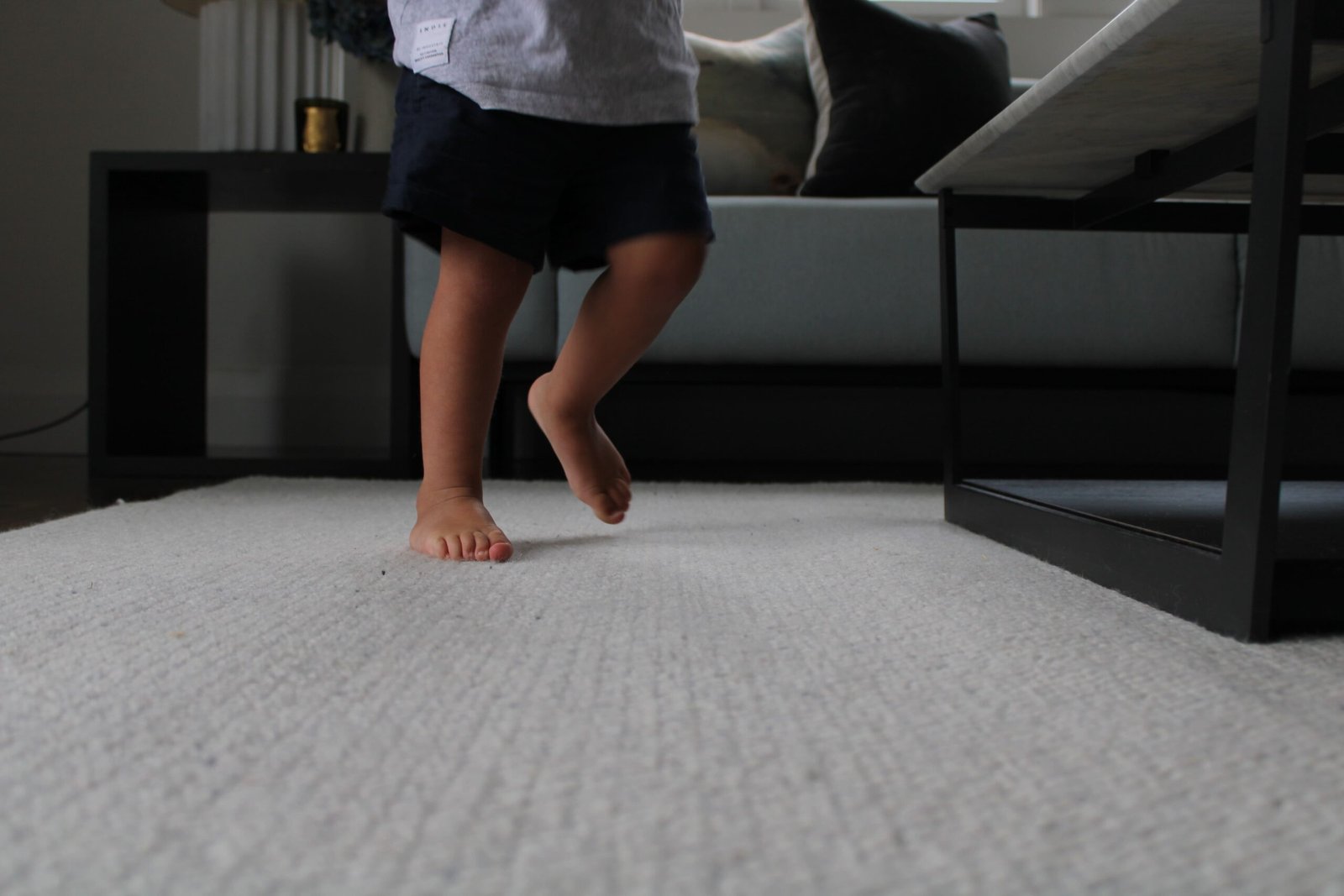
When you invest in carpet for your home, you expect it to last — but how long is realistic, and how do you know when you’ve crossed the line from ‘this needs a clean’ into ‘this needs replacing’? They’re questions most Auckland homeowners will face eventually, and the answers depend on a few things: the type of carpet, how much it’s used, and how well it’s been looked after.
In this guide, we cover the typical lifespan of carpet in New Zealand homes, what affects how long it lasts, the signs that it’s time to replace, and when repairs are still the smarter option.
What’s the Average Lifespan of Carpet?
Most carpet in Auckland homes lasts around 8 to 15 years, though that range varies quite a bit depending on quality, lifestyle, and care. As a general guide:
- Polyester carpets (mid-range): 5 to 8 years
- Nylon carpets (mid to high): 8 to 12 years
- Wool carpets (premium): 10 to 15 years
Commercial-grade carpet is built for heavier use and can last longer, but in residential settings, wear and tear typically starts to show around the 8–10 year mark — particularly in hallways, living rooms, and anywhere shoes are worn indoors.
What Affects How Long Your Carpet Lasts?
Foot Traffic
More traffic means faster wear. Households with children, pets, or frequent visitors will see carpets age sooner — especially if shoes are worn inside. High-traffic areas like hallways and living rooms are usually the first to show the strain.
Maintenance Routine
Regular vacuuming, quick attention to spills, and scheduled professional carpet cleaning all make a genuine difference to how long fibres hold up. Even well-maintained carpet builds up compacted grime below the surface over time; a deep clean every 12–18 months can refresh fibres and remove allergens that vacuuming misses.
For most Auckland households, we recommend consulting with a professional auckland carpet cleaner annually — or twice a year for families with pets or young children.
Sun Exposure
UV rays can bleach or weaken carpet fibres over time. If you have large north-facing windows, consider sheer curtains or rotating your furniture layout occasionally to avoid uneven fading.
Underlay Quality
Carpet underlay absorbs pressure and helps the carpet maintain its shape and feel. Poor-quality underlay — or underlay that has compressed and deteriorated with age — can reduce your carpet’s usable life by several years, even if the carpet itself is still in reasonable condition.
Humidity and Mould Risk
In Auckland’s humid climate, moisture can be a hidden problem — particularly in older homes or anywhere a spill or leak goes unaddressed for too long. Mould and mildew work their way into the backing and underlay, and once they’re there they’re very difficult to fully remove. This is where carpet sanitisation becomes important as a preventative measure, not just a reactive one.
Signs Your Carpet Is Nearing the End of Its Life
Even with the best care, all carpet eventually shows its age. Watch for these signs:
1. Visible Wear and Fraying
Bald patches where fibres have worn away, frayed or unravelling edges, threadbare spots in doorways or walkways, and flattened pile that won’t bounce back even after vacuuming — these are all signs the carpet is past its best. If you’re rearranging furniture to cover the worst spots, that’s a telling sign too.
2. It Still Looks Dirty After a Professional Clean
Professional cleaning can do a lot — but if your carpet still looks dull or stained after a proper deep clean, the damage may be permanent. Some stains, particularly older ones or those from chemical or pet sources, can permanently discolour fibres. The same applies to odours: if a musty or unpleasant smell persists after cleaning, it’s likely embedded in the underlay or subfloor rather than the carpet itself.
3. The Underlay Is Breaking Down
Carpet padding does a lot of quiet work. When it wears out or compresses unevenly, you’ll notice it underfoot: the floor may feel sunken in some areas, crunchy or noisy when walked on, or less insulated against sound or temperature changes. Underlay deterioration can’t be fixed without lifting the carpet — and at that point, it’s often more practical to replace the carpet at the same time.
4. Water or Mould Damage
Flooding, a slow leak, or even repeated humidity over time can cause mould or mildew to take hold in the backing or underlay. Signs include persistent musty odour, visible discolouration, or patches that feel damp even in dry weather. In some cases, carpet flood restoration can salvage affected carpet — but if the damage is widespread or mould has penetrated the underlay, replacement is usually the safest and most hygienic option.
5. Ripples, Buckling, or Structural Issues
Ripples or buckling can sometimes be resolved through professional re-stretching. But if the carpet has also experienced delamination, cracked backing, or underlay failure alongside the rippling, it may be at the point where repairs won’t hold long-term.
6. It’s Over 10–12 Years Old with Multiple Problems
Age alone isn’t a reason to replace carpet — but once you pass the 10–12 year mark and you’re seeing several of the above signs at once, the calculus shifts. Loss of texture and resilience, UV fading, and stiffness in the backing are all signs the carpet has simply run its course.
7. You’re Renovating or Preparing to Sell
Even if your carpet is still functional, it may not serve you well in a renovated or pre-sale context. New carpet improves first impressions, better matches updated interiors, and can lift a room’s feel considerably. Old carpet with visible wear or odour can make an otherwise tidy home feel dated.
When Carpet Repairs Are Still the Right Option
Replacement isn’t always the answer. In many cases, targeted carpet repairs can extend the life of flooring that’s otherwise in decent shape. If the damage is isolated, repairs are worth exploring first:
- Small burn marks or stubborn stains: a patch from spare carpet can make these virtually invisible
- Loose or visible seams: these can be re-joined professionally
- Ripples and buckling: usually resolvable through re-stretching if caught early enough
- Frayed or lifting edges: can be re-secured or re-bound depending on the extent
At Carpet Surgeon, we’ll always give you an honest assessment of whether a repair makes sense for your situation before recommending a full replacement. We’re not interested in pushing work you don’t need.
How to Extend the Life of Your Carpet
Want to get the most from your flooring? These habits make a real difference:
- Vacuum weekly as a minimum — more often with pets. Use a vacuum with a rotating brush or beater bar for deeper cleaning.
- Treat spills immediately. Blot from the outside in with a clean cloth; don’t rub. Keep a mild carpet cleaner on hand for spot treatment.
- Use entry mats at every door and encourage a shoes-off policy to reduce the amount of dirt and grit being ground into fibres.
- Rotate furniture occasionally to spread wear and avoid permanent compression marks.
- Book a professional clean every 12–18 months to remove what vacuuming can’t reach and keep fibres fresh.
What to Consider When Replacing Your Carpet
If replacement is the right call, it’s a good opportunity to make a more informed choice the second time around:
- Durability: for busy households, look for stain-resistant, hard-wearing fibres — nylon and solution-dyed nylon hold up particularly well
- Style: neutral tones and subtle textures work across most interiors and date less quickly
- Pile height: thicker pile is softer underfoot; lower pile is easier to clean and holds up better in high-traffic areas
- Underlay quality: don’t cut corners here. Quality underlay improves comfort, reduces noise, and extends the carpet’s lifespan significantly
A professional installer will make sure your new carpet is fitted with the correct tension and paired with the right underlay for your space. Poor installation is one of the most common reasons carpets fail prematurely — so it’s worth getting it right from the start.
Not Sure Whether to Repair or Replace?
With the right care, carpet can stay looking great for well over a decade. But age, heavy use, and accumulated damage do eventually tip the balance — and when that happens, replacement is a better investment than repeated repairs.
If you’re unsure whether your carpet still has life left in it, the team at Carpet Surgeon can take a look and give you a straight answer. We offer honest assessments and a full range of services, from maintenance and carpet repairs through to full carpet replacement and new carpet installation.
Get in touch today and take the guesswork out of your flooring’s future.