
Act fast before it dries into a ring, and call us if it won’t lift. Here’s exactly what to do and how we finish the job.
100 Google reviews
In Auckland carpet
Certified drying
Trusted & approved
Owned & operated
Coffee comes out of carpet in the vast majority of cases, especially when it’s caught fresh. Blot (never rub) with a clean cloth and cold water straight away. Milk and sugar make it worse, so keep dabbing until the cup itself is empty of blame. If a ring is already forming, give us a call and we’ll finish the job properly.
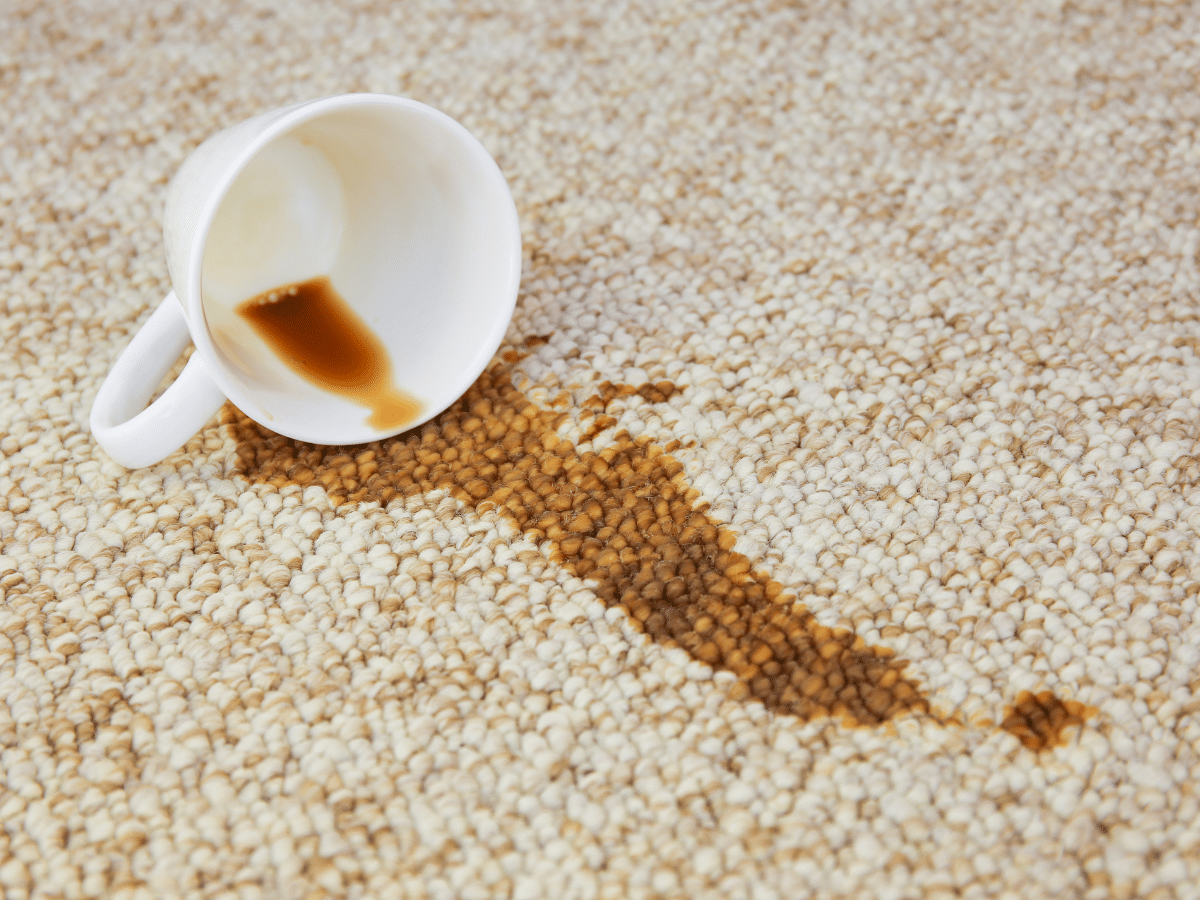
Press a clean white cloth straight down to lift as much liquid as you can before it soaks in.
Start at the edge of the spill and move toward the centre so the ring does not spread wider.
Lightly dampen and keep blotting. Cold only, heat cooks the tannins into the fibre.
Swap to a fresh section each time so you lift colour out, not push it back in.
Lay a damp cloth over any remaining colour and get a professional in before it dries.
Most red wine stains become permanent because they are set by a well-meaning DIY attempt, not the wine itself.
Heat sets coffee's tannins permanently, the same way it does with tea and wine.
Too much detergent leaves a sticky residue that attracts new soil and dries into a duller patch.
Frays the pile and drives the stain further into the backing.
Many strip the carpet's own colour and cause lasting damage.
Coffee carries the same plant tannins as tea and red wine, and they bind to carpet fibre like a dye the moment they touch it.
Any milk or sugar left in the cup turns a simple stain into a two-part problem: colour plus a sticky residue that attracts fresh soil.
Coffee’s acidity keeps working on the fibre while it dries, which is why a stain left overnight is harder to shift than one caught in the first hour.
Blotted properly, most coffee lifts cleanly with the right treatment and leaves no shadow.
A different job. Often still reduced dramatically or removed, but where a ring won't fully reverse, a seamless carpet patch is the fallback.
A protein fibre that takes dye easily and reacts badly to high-alkaline or bleaching products, so it needs a gentler, correctly balanced treatment.
Still suffers from heat and harsh chemistry. Matching the solution to the fibre is exactly what DIY gets wrong.
Identify the fibre and whether it's fresh or set.
Tannin-specific treatment breaks the pigment bond.
Cool water lifts loosened colour first.
Hot water extraction draws it up and out.
Rinse, deodorise, minimal moisture left behind.
Seamless repair when a mark won't fully lift.

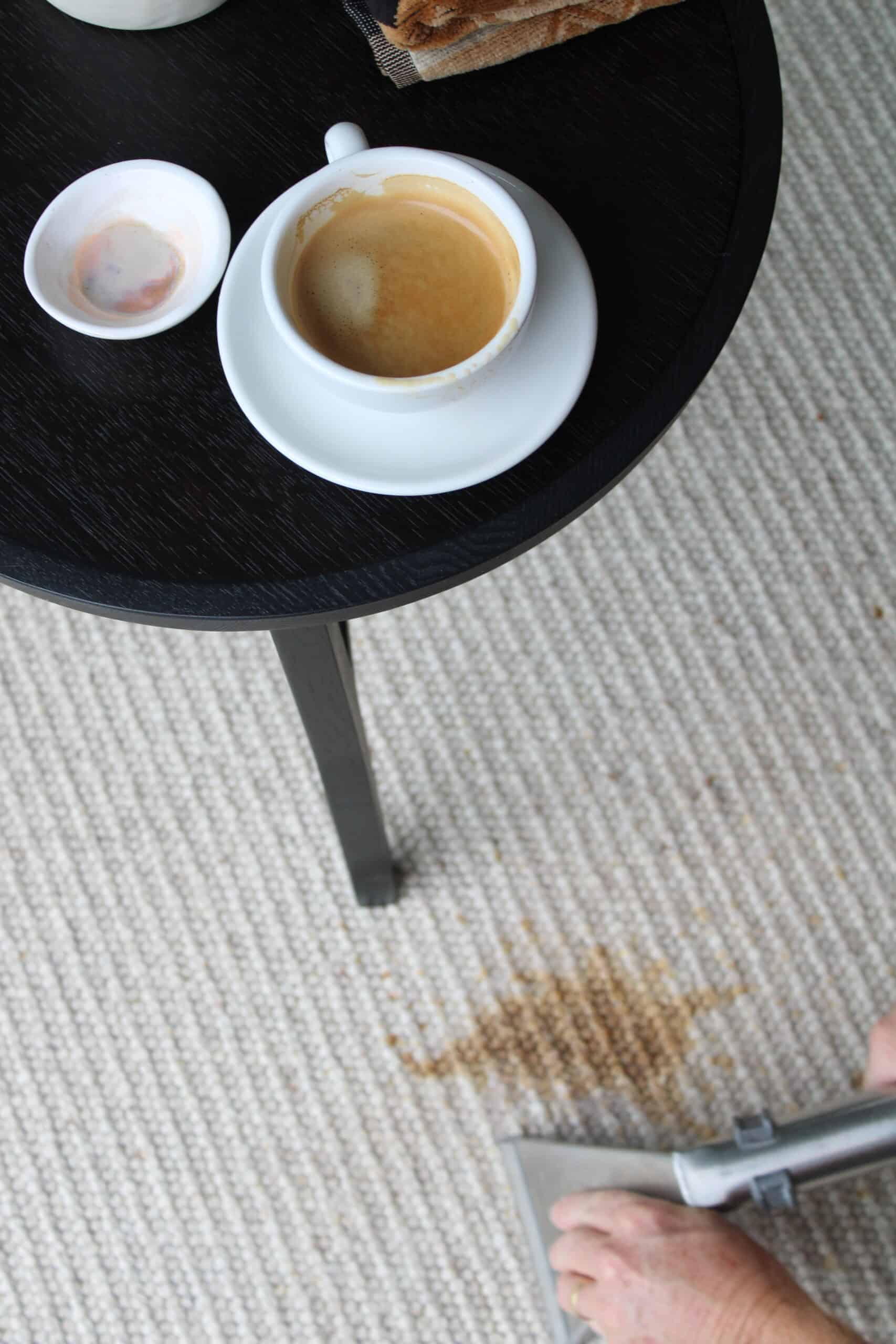
We cover coffee stain removal from the wool-carpeted villas of the central suburbs to newer builds on the North Shore, East and West Auckland. Coffee spills are one of the most common call-outs we get from home offices and kitchens, and Auckland’s humidity can slow drying on a treated stain, so our extraction is tuned to pull moisture out and cut the dry time.
Blot it, keep it damp, and call. The sooner we see it, the better the odds of a full recovery.
EXCELLENTTrustindex verifies that the original source of the review is Google. Amazing service. The improvement in my second floor creaks is great. House feels a lot more solid. Thank you!!Posted on GoogleTrustindex verifies that the original source of the review is Google. Carpet Surgeon were able to fit me in for an end of tenancy clean the next day! The contractor turned up on time, did a marvellous job and was out of there with no fuss or bother. I appreciated the speed and quality...one less hassle when you're moving out of town. Highly recommend!Posted on GoogleTrustindex verifies that the original source of the review is Google. 2nd time we used Carpet Surgeon and again we had a brilliant experience. They were able to respond quickly to an urgent job. Carpeted area in our cottage now looks amazing. Very impressed with both the quality and the price. Thanks to Lorne and the team. Will definitely be using again👍Posted on GoogleTrustindex verifies that the original source of the review is Google. Carpet Surgeon are absolutely amazing! Slotted me in quickly for a small job - best service - highly recommend !!Posted on GoogleTrustindex verifies that the original source of the review is Google. Prompt response to enquiry, very professional and detailed advice and quote.Posted on GoogleTrustindex verifies that the original source of the review is Google. Our property management company has hired Lorne Frost and his team for several years. They have helped us with many jobs, big and small. They even came up with a simple solution to a flat iron burn on the carpet in the middle of the lounge. Highly recommended!Posted on GoogleTrustindex verifies that the original source of the review is Google. We dealt with Lorne! He is prompt, professional, and provided a clear and thorough carpet assessment — highly recommended.Posted on GoogleTrustindex verifies that the original source of the review is Google. Very impressed with the carpet clean. Carpet Surgeon worked on difficult stains until they reached a successful outcome. Will definitely use them again . Thank you!Posted on GoogleTrustindex verifies that the original source of the review is Google. This is the second time we use this company and once again have found the service to be friendly, timely, efficient and cost effective. Very happy to recommend
As soon as you can. Coffee gets harder to remove with every hour it sits, especially once any milk in it starts to sour. Blot it, keep it damp, and get in touch.
Not when it is done correctly. We identify the fibre first and use solutions that are safe for wool and delicate blends. It is untreated DIY products, not professional treatment, that usually cause bleaching on wool.
It depends on the size of the stain, the fibre and whether it is fresh or set, so we quote after a quick inspection. A single spot treatment is often done as part of a general clean. We confirm the price before any work begins.
These are popular home tricks that rarely work fully and can make things worse on wool. Vinegar can dull colour and baking soda left too long can crust the pile. Blotting with cold water and calling a professional is the safer path.
In most cases, yes. Fresh spills that are blotted correctly usually lift completely. Dried or previously treated stains can often be reduced or removed too, though we give an honest assessment before we start.
Often, yes. Set stains are harder because the tannins have bonded and any milk left behind can leave a lingering residue, but professional extraction recovers far more than home products. Where a stain will not fully reverse, we can patch the area seamlessly.
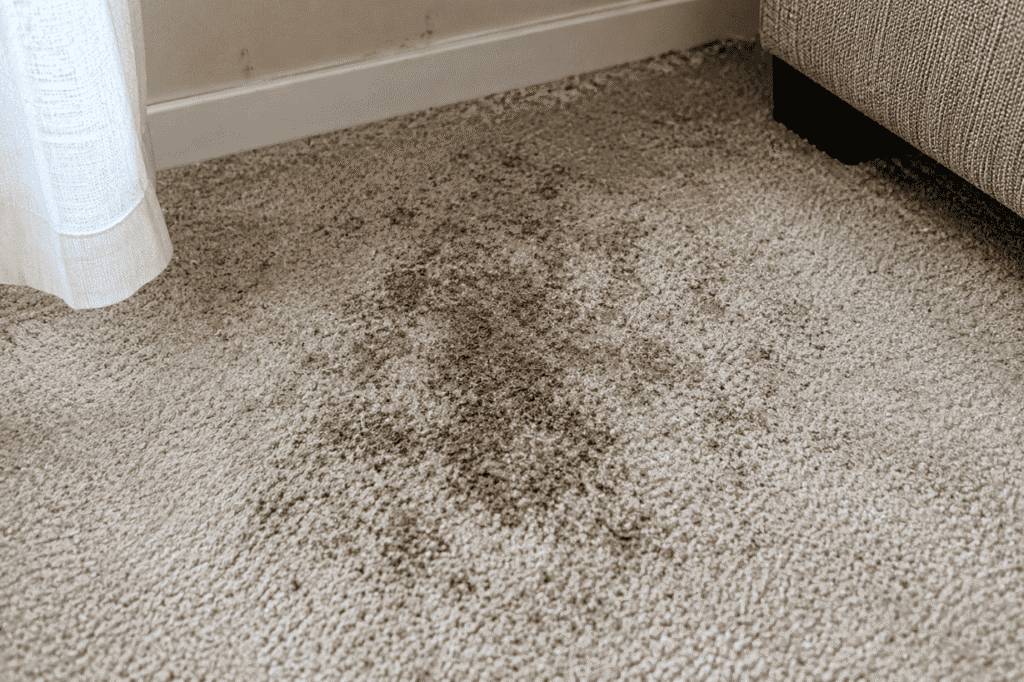


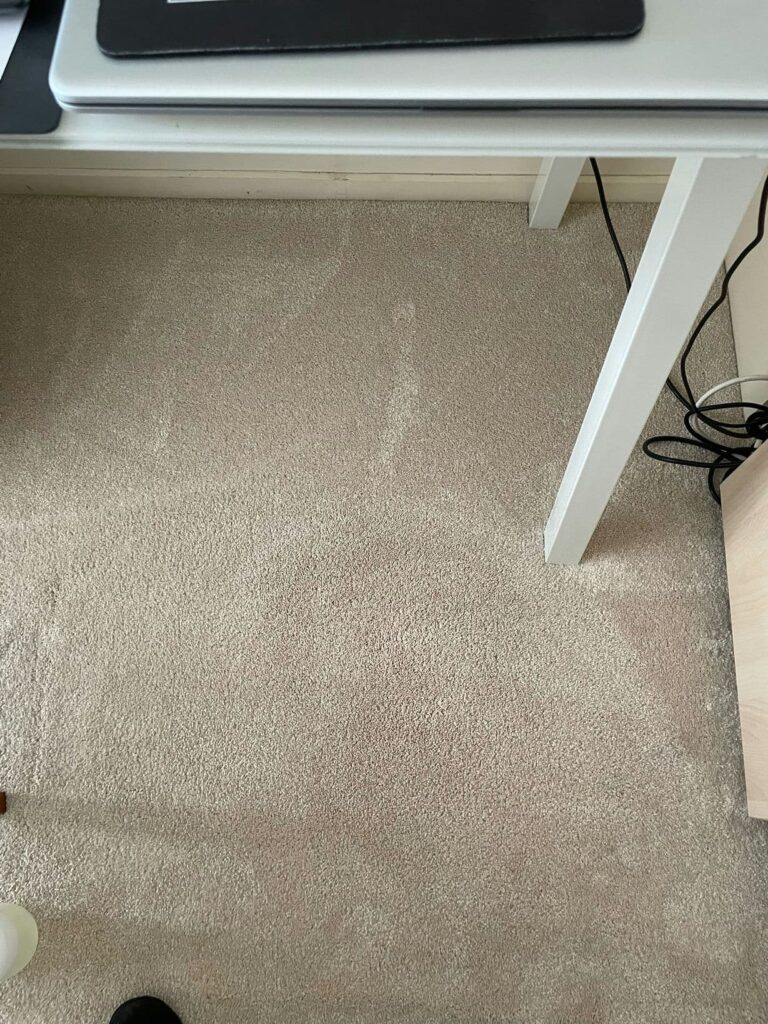
Blot it, keep it damp, and send us a photo or give us a call. We’ll give you an honest read and get it sorted.
