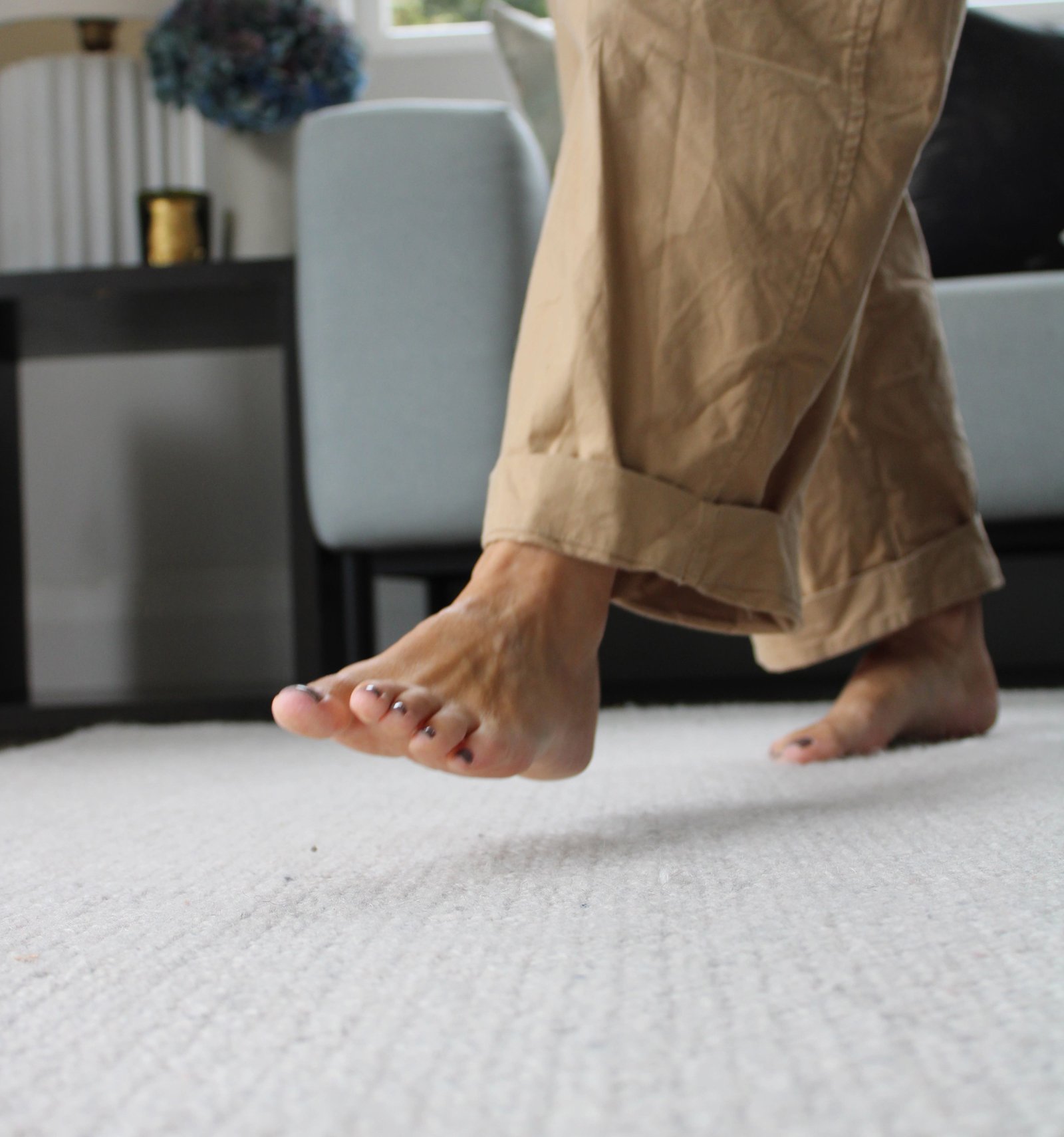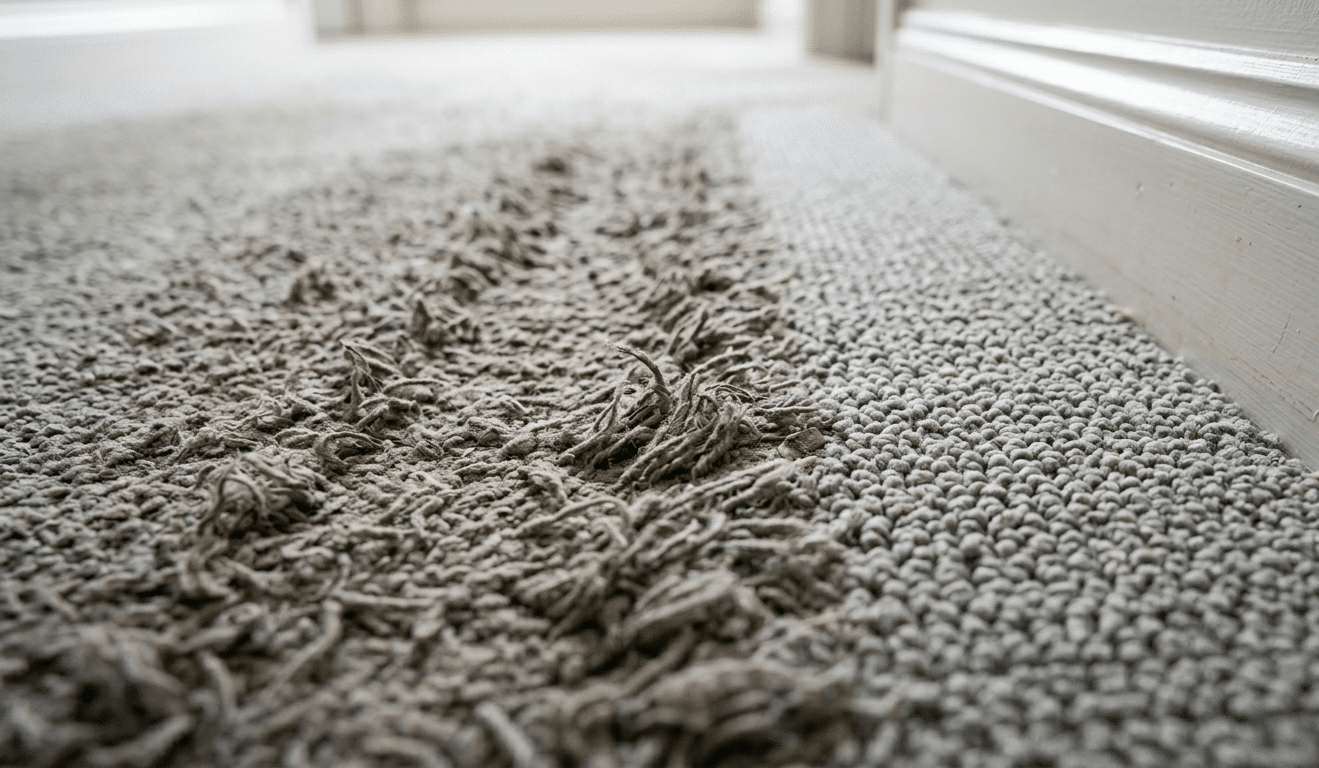
Most business owners think about carpet in terms of appearance: does it look tidy, does it match the brand, does it need replacing yet. Far fewer stop to think about what’s actually living in that carpet, or how it might be quietly affecting staff health and productivity. Workplace carpet hygiene deserves more attention than it usually gets, and once you understand what’s involved, it’s easy to see why.
What’s Really Living in Your Office Carpet
Carpet fibres are excellent at trapping things, which is great for keeping dirt off your shoes and out of the air initially, but not so great once that trapped material starts to build up over months and years of foot traffic.
A typical workplace carpet that hasn’t been professionally cleaned in a while can harbour:
- Dust mites, which thrive in carpet fibres and are a common trigger for allergic reactions and respiratory irritation
- Bacteria, introduced through everyday foot traffic, spilled drinks, and general office activity
- Allergens, including pollen, dander from staff who own pets, and general airborne particles that settle into the pile over time
- Mould and mildew spores, particularly in carpets located near building entrances, kitchens, or bathrooms where moisture is more common
None of this is obvious from a visual inspection. A carpet can look entirely presentable while still holding a significant load of trapped dirt, bacteria, and allergens that vacuuming alone simply doesn’t reach.
The Productivity and Health Case for Regular Cleaning
There’s a genuine business case for taking carpet hygiene seriously, beyond simply wanting the office to look good for visitors.
Poor air quality, often linked back to dust and allergens trapped in carpet and soft furnishings, has been associated with increased rates of staff sick days, headaches, and general fatigue. For businesses with open-plan offices where everyone shares the same air and floor space, a build-up of allergens and bacteria in the carpet can contribute to more staff getting sick more often, and recovering more slowly when they do.
There’s also a simple comfort factor. Staff and clients alike notice when a workplace smells musty or looks tired underfoot, and that perception filters into how people feel about the business generally, whether that’s fair or not. A clean, well-maintained office sends a quiet but consistent signal that the business takes care of the details.
Regular hospital-grade carpet sanitisation removes built-up bacteria and allergens at the source, rather than just masking the surface with a quick vacuum, and is one of the more cost-effective ways to genuinely improve indoor air quality in a workplace.
How Often Should Workplace Carpets Be Cleaned?
This depends on foot traffic and the nature of the business, but as a general rule:
- High-traffic offices and shared spaces benefit from professional cleaning every 6 to 12 months
- Lower-traffic offices can typically stretch to an annual clean
- Daily vacuuming and prompt spot treatment of spills should happen regardless of how often a full professional clean is scheduled, to stop minor soiling from settling into the fibres
Businesses operating in industries with higher hygiene expectations, healthcare, hospitality, and education among them, often benefit from more frequent sanitisation cycles given the closer contact and higher foot traffic these spaces tend to see.
Building Hygiene Into Routine Office Maintenance
Workplace carpet hygiene shouldn’t be an afterthought that only gets attention when a carpet starts to look obviously dirty. The most effective approach is to build it into a regular maintenance schedule, the same way most businesses already do with things like air conditioning servicing or pest control.
A sensible workplace carpet hygiene plan includes:
- Scheduled professional commercial carpet cleaning Auckland businesses can rely on for consistent results
- Daily vacuuming of high-traffic areas
- Quick response to spills before they have a chance to set into the pile
- Periodic sanitisation, particularly in shared spaces like meeting rooms, kitchens, and reception areas
Choosing a Provider That Understands Commercial Hygiene
Not every carpet cleaner approaches commercial jobs with hygiene as the priority. Look for a provider trained to recognised industry standards, using hospital-grade sanitisation methods and biodegradable products that are effective against bacteria and allergens without leaving harsh chemical residue behind.
Carpet Surgeon’s technicians are trained to IICRC technician levels and use hospital-grade treatments designed to genuinely improve the hygiene of a workplace, not just freshen up its appearance. With over 30 years in the carpet business, the team understands the practical realities of working around an active office, including scheduling cleans outside of business hours to avoid disrupting staff.
Take Workplace Hygiene Seriously
If your office carpet hasn’t had a proper sanitising clean in the last year, it’s worth getting ahead of it before it becomes a visible problem or starts affecting staff comfort. Get in touch with Auckland carpet cleaners from Carpet Surgeon for a free quote and we’ll help you put together a hygiene schedule that suits your business.