Two carpet cleaning quotes land in your inbox for the same job, and they are not offering the same service. One company quotes steam cleaning, the other dry carpet cleaning, and the price difference makes you wonder if you are even comparing apples with apples. You are not, and knowing the difference matters more than most people realise before they book.
What Each Method Actually Does
Steam Cleaning (Hot Water Extraction)
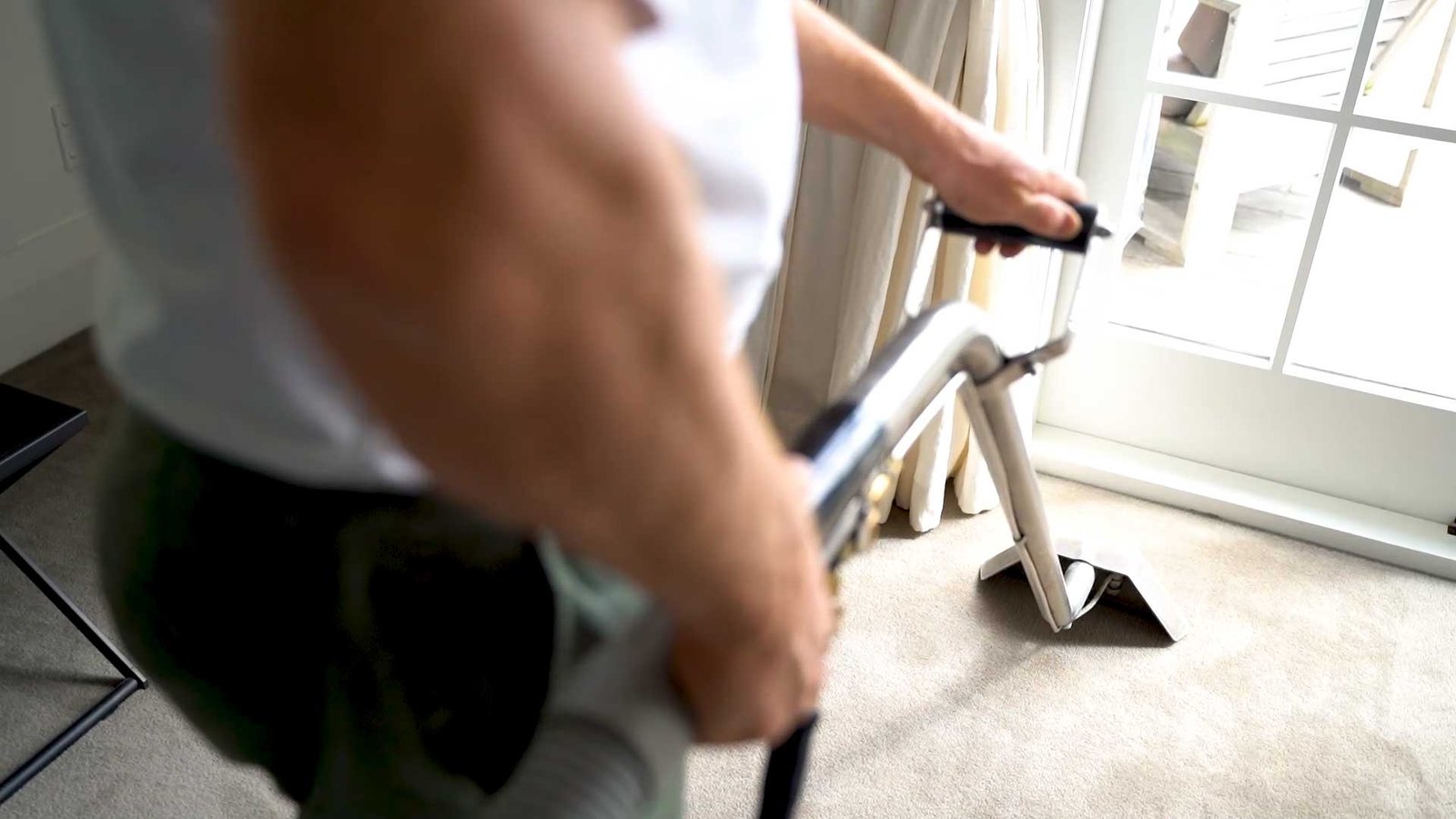
Despite the name, steam cleaning does not actually use steam. Hot water and cleaning solution are injected deep into the carpet pile under pressure, agitated to lift embedded dirt, then extracted straight back out with a powerful vacuum. It is the method recommended by the NZ Wool Board for most carpet types, and it remains the industry standard for a genuinely deep clean.
Dry or Low-Moisture Cleaning
Dry cleaning methods, including encapsulation and bonnet cleaning, use little to no water. A cleaning compound or polymer is worked into the carpet, binds to dirt particles, and is then vacuumed or buffed away. There is no extraction step, because there is very little liquid to extract in the first place.
Why the Right Choice Depends on Your Carpet and Timeline
The two methods are not interchangeable, and picking the wrong one for your situation can mean a disappointing result. Hot water extraction reaches deeper into the pile and is far more effective at removing allergens, bacteria, and heavily embedded soil, but it needs several hours, sometimes overnight, to dry fully. Dry cleaning dries within one to two hours but does not penetrate as deeply, so it suits lighter, more frequent maintenance rather than an annual deep clean.
Carpet fibre matters too. Wool carpets, common in older Auckland villas, respond well to hot water extraction as long as temperature and pH are managed correctly, but they can be sensitive to some dry cleaning compounds if residue is not fully removed afterwards.
DIY vs Professional for Each Method
Rental extraction machines rarely reach the same water temperature or extraction power as professional equipment, which means more moisture stays trapped in the pile, a common cause of the musty smell people notice a few days after a DIY clean. Off-the-shelf dry carpet powders and sprays often leave a visible residue too, because they are not designed to be worked into the pile with a rotary brush the way a professional encapsulation treatment is.
Carpet cleaning Auckland homeowners can trust usually comes down to correctly calibrated equipment, the right solution for the specific fibre type, and a technician who can tell which method, or combination of methods, suits your carpet before starting, rather than a one-size-fits-all approach applied to every job.
When to Call a Professional
- Your carpet has not been deep cleaned in over 12 months, which points to hot water extraction
- You need a fast turnaround between guests, tenants, or business hours, which points to dry cleaning
- You have wool or another sensitive fibre and are not sure which method is safe
- Previous DIY cleaning left a lingering smell or a sticky residue behind
Auckland-Specific Considerations
Auckland’s humidity, especially over summer and during wet winter stretches, makes drying time a genuine factor in choosing a method. Homes with poor subfloor ventilation, common in older villas across the city, are more prone to trapped moisture after a hot water extraction clean, so timing and airflow on the day matter almost as much as the method itself.
For most Auckland homes, a scheduled hot water extraction clean once or twice a year, supported by a lighter dry clean or maintenance vacuum in between, gives the best balance of deep cleaning and manageable drying time. Our hot water extraction Auckland team can assess your carpet type and recommend the right combination for your home, and for businesses juggling both methods across a maintenance schedule, our commercial carpet cleaning service can set up a plan that fits around your operating hours.
Get in touch with the Carpet Surgeon team for a free assessment and an honest recommendation on which method your carpet actually needs.