Carpet almost never wears out evenly. Walk through any Auckland home with carpet more than five years old and the floor in the spare room will look close to new, while the hallway, the stairs and the strip in front of the kitchen door look a decade older. Same carpet, same age, same house.
That pattern is useful, because it means most carpet problems are local problems, and local problems can usually be fixed. Replacing an entire floor because of three square metres of damage is one of the most common and most expensive mistakes homeowners make. Knowing which zone is failing, and how it is failing, tells you whether you need carpet repairs in Auckland, a professional clean, or genuinely new carpet.
Here is what goes wrong, zone by zone.
First Question: Is It Worn, or Just Dirty?
Before diagnosing anything, rule this out, because the two look alike and only one of them is permanent.
Traffic lane soiling is the grey or darkened path you see down a hallway or across a lounge. It is caused by oily soil binding to the fibre and by fine grit dulling the surface. The fibre itself is intact. A professional clean will bring most of it back, and the improvement is often dramatic enough that people cancel the replacement they had budgeted for.
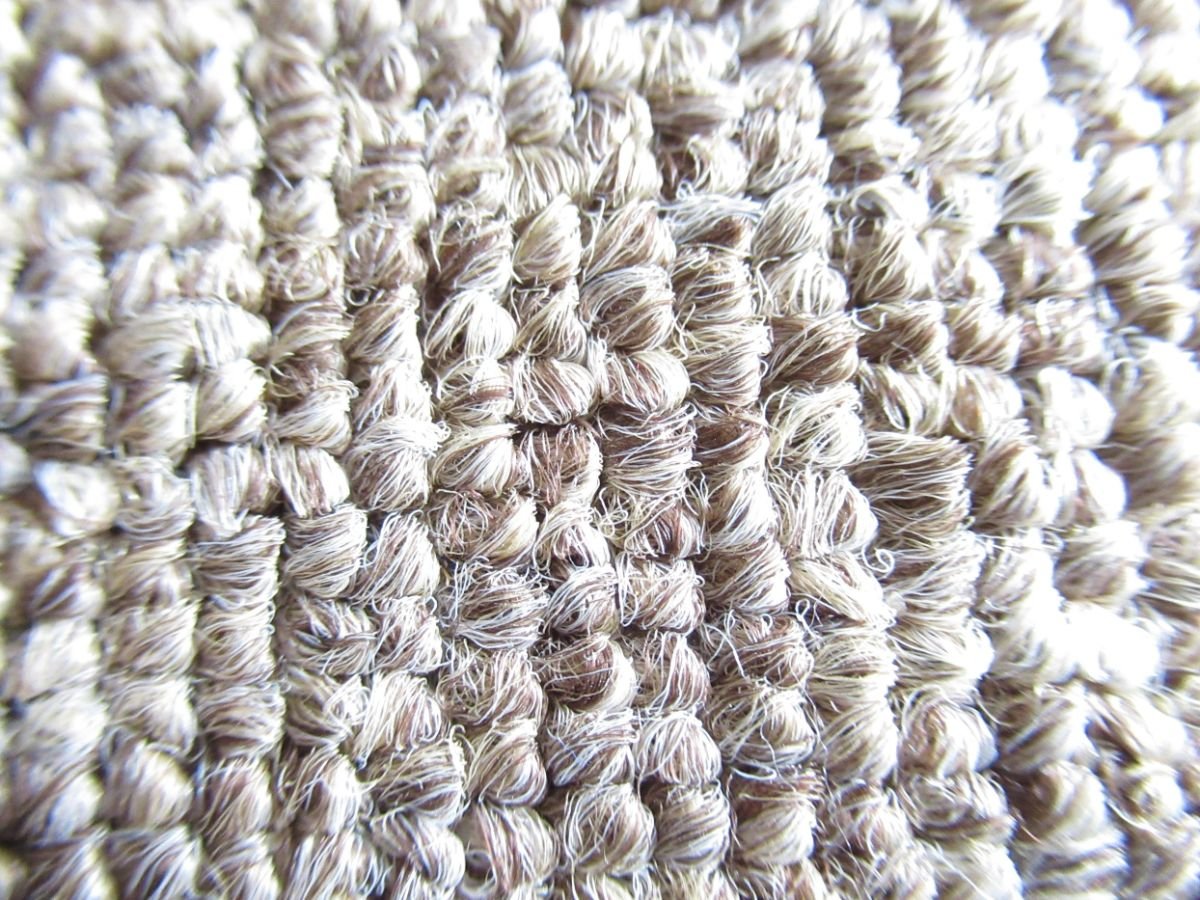
Actual wear is different. Hold a torch at a low angle across the area. If the pile is splayed and untwisted, or you can see backing through it, the fibre itself is damaged and no amount of cleaning will restore it. Matting is less clear cut, because temporary flattening and permanently matted pile can look much the same, so that one is worth having assessed rather than guessed at.
Which to book first depends on what you are dealing with. If the floor mainly just looks dirty, cleaning first helps reveal how much wear is genuinely left underneath. Many homeowners who book carpet cleaning in Auckland expecting to need repairs afterwards find the floor only needed one of the two. If there is an open seam, loose stair carpet or a raised ripple, have the damage assessed before you book a clean.
Zone 1: The Entranceway
The first two metres inside any external door takes more punishment than the rest of the house put together. Everything that comes off shoes lands here: grit, sand, water and oils off the driveway. Grit is the real culprit, because it behaves like sandpaper underfoot and cuts the fibre.
What fails: pile wears flat and dull, then thins to the backing in a patch roughly the shape of the doorway.
What fixes it: once the fibre is gone, cleaning will not help, but a patch using matching carpet will. Patching an entranceway is one of the most common carpet repairs we are called out for. Prevention is better again, and it is mundane: a decent exterior mat plus an interior mat, and vacuuming the entranceway more often than the rest of the house. Most of the grit that damages carpet throughout a home arrives through one door.
Zone 2: Hallway Traffic Lanes
Hallways concentrate the entire household into a strip less than a metre wide. You get accelerated soiling, as above, but also crushing, where the pile is pushed over and stays there.
Flattening on its own does not tell you whether the fibre has gone. Temporary flattening, permanent matting and genuine thinning can all look similar underfoot. Cleaning removes the soil and may well improve the appearance of flattened pile. What it cannot do is bring back fibre that has worn away, or restore pile that has permanently matted.
What else fails here: ripples. See the section on movement below, because a hallway is where a ripple is the biggest trip risk.
Zone 3: Stairs
Stairs are the hardest-working carpet in any home, and they fail in ways flat floors do not.
Each tread takes the full force of a footfall concentrated on the nose, the front edge. Over time the nosing wears bare while the tread behind it still looks fine. At the same time, every step a person takes pushes the carpet slightly downward and forward, so stair carpet gradually loosens and starts to sag, bag or show a gap at the back of each tread.
What fixes it: stair carpet can often be lifted, re-tensioned and re-fixed, and in some cases shifted slightly so a worn nosing is no longer on the nosing. Individual treads can be patched. Replacing a staircase of carpet is a last resort, not a first one.
Worth knowing: stairs are also where loose carpet is a genuine safety problem rather than a cosmetic one, so this is the zone not to leave.
Zone 4: Doorways and Thresholds
Doorways are usually where two pieces of carpet meet, which often makes them the weakest line in the floor.
A seam at a doorway is held with heat-activated seaming tape. Walk across it a few hundred thousand times, vacuum over it, drag a door across it, and the join starts to open. First you see a thin line, then a visible gap, then loose fibres fraying from both edges. Once it opens it does not stop, because every footstep now catches the edge.
The other failure here is the door bar, the metal strip where carpet meets tile, timber or vinyl. When the gripper in that bar lets go, the carpet edge pulls free and frays.
What fixes it: re-seaming, and fitting a new door bar and re-securing the carpet edge. Both are same-visit carpet repairs for a technician. Both get significantly more expensive if left, because the frayed material eventually has to be cut away and replaced with a patch.
Zone 5: Pivot Points and Furniture
Three smaller zones worth checking, because they are easy to miss until they are bad.
Pivot points are where people turn rather than walk, typically at the end of a hallway, beside a bed, or in front of a bench. Twisting shoes grind fibre in a small circle.
Office chair castors do the same damage faster, and in one spot. A chair mat costs very little and takes that wear instead of your carpet.
Furniture indentations are the opposite problem: pile crushed flat under a heavy leg. These often lift with moisture and heat, and a professional clean will usually improve them. Check your carpet manufacturer’s care instructions before trying anything yourself, since not every fibre responds well to moisture.
Why Carpet Moves: Ripples, Ridges and Buckling
Carpet is installed under tension, stretched across the room and hooked onto smooth edge at the perimeter. Anything that reduces that tension lets the carpet relax, and relaxed carpet has nowhere to go but up.
High humidity, dragging heavy furniture rather than lifting it, and carpet that was not adequately stretched when it was installed are all recognised contributors to buckling. Heavy traffic plays its part too, since every footstep flexes the carpet and encourages it to creep.
What fixes it: restretching, one of the most common carpet repairs we are called out for. Power restretching can correct buckling where the carpet and its backing are sound. The carpet is lifted along the relevant edges, re-tensioned, re-hooked and trimmed, and the floor comes out flat. A technician should check the grippers, the underlay and the backing first, because if any of those have failed, re-tensioning alone will not hold. Ripples do not settle on their own, and a rippled carpet wears faster at the crest of each wave because the ridge takes the traffic.
Delamination: The Failure Nobody Has Heard Of
Most carpet has two backings bonded together with latex adhesive. Delamination is when that bond fails and the layers separate.
It feels like a loose, spongy, slightly hollow area underfoot, often in a traffic lane, and the carpet may wrinkle in a way that does not respond to restretching because the problem is inside the carpet rather than in its tension. Common triggers are age, prolonged moisture, or flooding that was never dried properly.
Delaminated carpet cannot be re-bonded. The affected section is cut out and patched, which is a straightforward carpet repair while the area is contained, and points towards replacement if it is spread across a room. This is one of the few failures where an honest answer is sometimes replacement, and it is worth having a technician confirm it rather than guessing. Carpet Surgeon also specialise in replacing damaged or old carpet when it becomes too expensive to repair.
Pile Reversal: When It Is Not Damage at All
Sometimes a patch of carpet looks permanently shaded, watermarked or lighter than the carpet around it, with a clear irregular border. Clean it and it does not change.
One possibility is permanent pile reversal, also called shading or watermarking. The fibres in that area have permanently leaned the opposite way to their neighbours, so they reflect light differently. A better clue than whether it survived a clean is to look at the patch from the opposite direction: if its appearance changes as you walk around it, that points to pile reversal rather than soiling or wear. There is no dirt, no wear and no moisture involved. It is a characteristic of some cut-pile carpets, it is not caused by cleaning, and it cannot be corrected.
Use Rugs Where the Traffic Is
The cheapest carpet repair is the one you never need. A runner down a hallway, a rug inside the main entrance and a mat under an office chair will absorb wear that would otherwise land on your carpet, and they can be replaced or rotated when they wear.
One caution: a rug protects the carpet beneath it while collecting all that grit itself, so it needs its own maintenance. Professional rug cleaning in Auckland is quoted per rug after inspection, since fibre and construction vary enormously, and a rug used as traffic protection is usually ready for attention every 12 months. Lift it occasionally and vacuum underneath, because grit trapped between rug and carpet grinds both.
What Can Be Repaired, and What Cannot
Repairable with standard carpet repairs: burns, isolated stains, pet damage, pulls and runs, split and opening seams, frayed edges, loose or rippled carpet, failed door bars, squeaky floorboards under carpet, and localised wear where matching material exists.
Not repairable: widespread thinning or matting across whole rooms, carpet worn through to the backing over a large area, extensive delamination, and pile reversal, which is permanent but harmless.
The deciding factor for most carpet repairs is matching material. If you have offcuts in the garage, keep them, because a patch cut from the same roll is far less noticeable than one cut from anywhere else. Even then, fading, wear and pile direction can leave a repair detectable. If not, a technician can often take material from inside a wardrobe or under a bed where nobody will ever see it.
Carpet Repair FAQs
Will a carpet patch be noticeable?
Done properly, most patches are very hard to find. The technician matches pile direction, colour, tension and traffic wear, and the grain has to run the right way or the patch catches the light differently. On older carpet that has faded in sunlight, a patch cut from a wardrobe may be slightly richer in colour, since it has not faded. That is usually far less noticeable than the damage it replaces.
Should I repair or replace?
Isolated damage is almost always worth repairing. Widespread thinning, matting or wear across several rooms usually points to replacement. A free quote will tell you which you have, and a reputable technician will say so plainly when repair is not the better option.
How long do repairs take?
Most standard work for carpet repair in Auckland, including patches, seams and restretching, is completed in a single visit. Larger jobs, or jobs needing matching material sourced first, are scheduled off the back of the quote, usually within a few days of enquiry.
Should carpet repairs be done before or after cleaning?
It depends on the problem. Physical damage, meaning an open seam, loose stair carpet or a ripple, is worth assessing and usually fixing first, since patches and seams are easier to match and work with while the carpet is dry, and a clean afterwards blends the repaired area with the rest of the floor. If the floor is mainly just soiled and you are trying to judge how much life is left in it, cleaning first will tell you more.
Do you work with landlords and property managers?
Yes. Repairs between tenancies are a large part of the work, and scheduling can be arranged around vacancies, inspections and body corporate requirements.
Can you repair carpet damaged by a flood?
It depends on the source of the water and the condition of the carpet and underlay, so have both assessed before you decide anything. Where the water was clean, a burst pipe or an overflowing tank caught early, carpet can often be lifted, dried, re-laid and re-stretched, and where the underlay or backing has broken down the affected section is patched or replaced.
Contaminated floodwater is a different matter, and drying alone is not enough. Official New Zealand advice is to assume floodwater carries sewage, farm run-off and chemicals, and to discard contaminated materials, carpet included, where they cannot be properly cleaned and disinfected. That call needs making on the specific job, which is why an assessment comes first.
Rugs caught in the same flood need separate treatment, and our rug cleaners in Auckland assess water-damaged rugs for mould risk before any cleaning begins.
Get It Looked At Before It Spreads
Nearly every carpet repair on this list is cheaper, faster and less visible when it is dealt with early. Open seams grow, ripples deepen, frayed edges unravel, and a small patch of damage becomes a large one.
Send us a photo of the area or book an inspection, and a technician will tell you what it is, what it will take, and whether it needs doing at all. We have been carrying out carpet repairs across Auckland since the 1990s, our technicians are IICRC-certified, and our carpet cleaners in Auckland can finish the job with a clean once the repair is done, so the whole floor matches.
Call 0508 787 4366 for a free, no-obligation quote.